

Introduction:
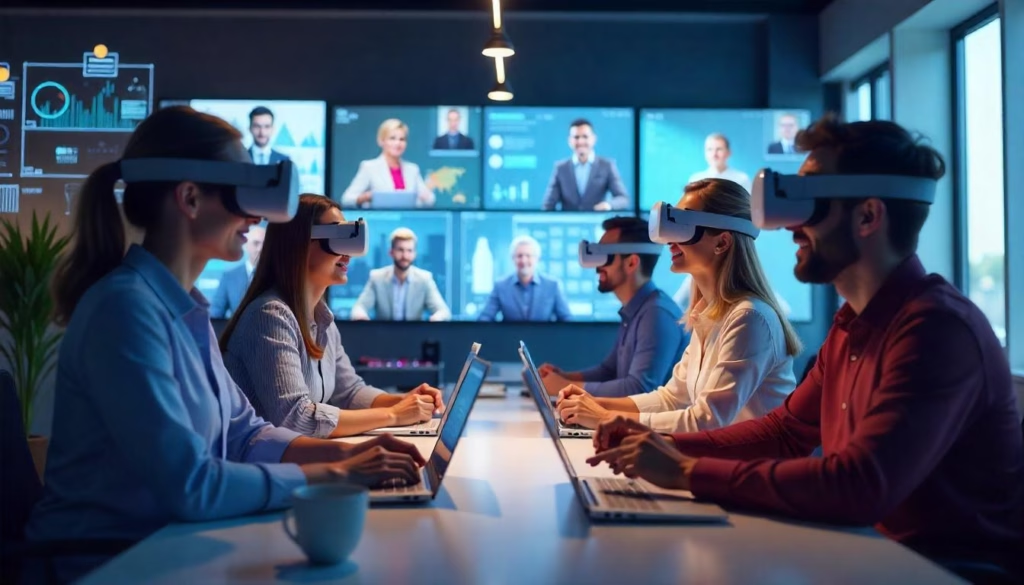
In today’s increasingly distributed workforce, the challenge of fostering genuine collaboration across geographical boundaries is more critical than ever. While video conferencing has become a staple, it often falls short of replicating the nuanced interactions and shared experiences of in-person teamwork. Enter Virtual Reality (VR) and Augmented Reality (AR) – immersive technologies poised to transcend the limitations of traditional remote communication and reshape the very fabric of how we collaborate. Get ready to step into a future where distance dissolves and shared experiences become truly immersive.
The Power of Presence: Immersive Technologies Bridging the Distance Gap
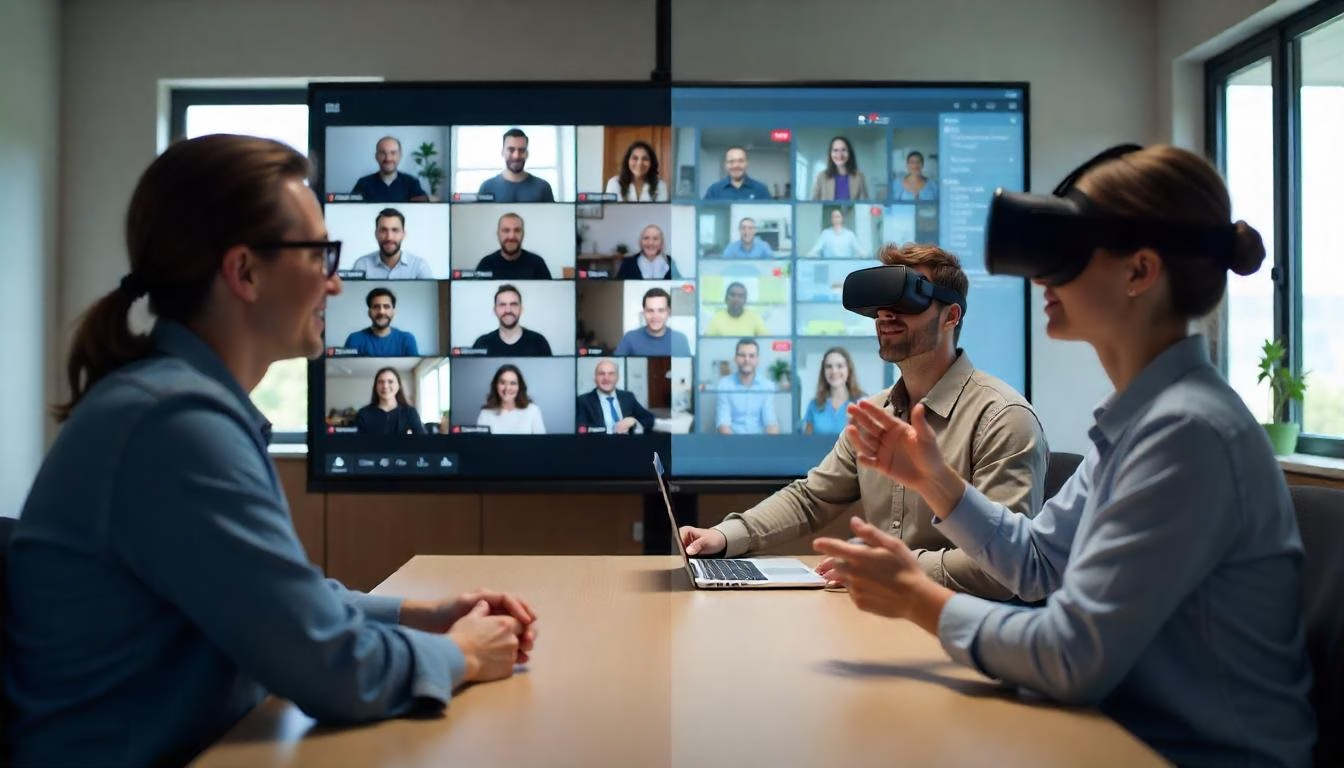
The core strength of VR and AR lies in their ability to create a sense of presence – the feeling of actually being in a shared space, even when physically miles apart.
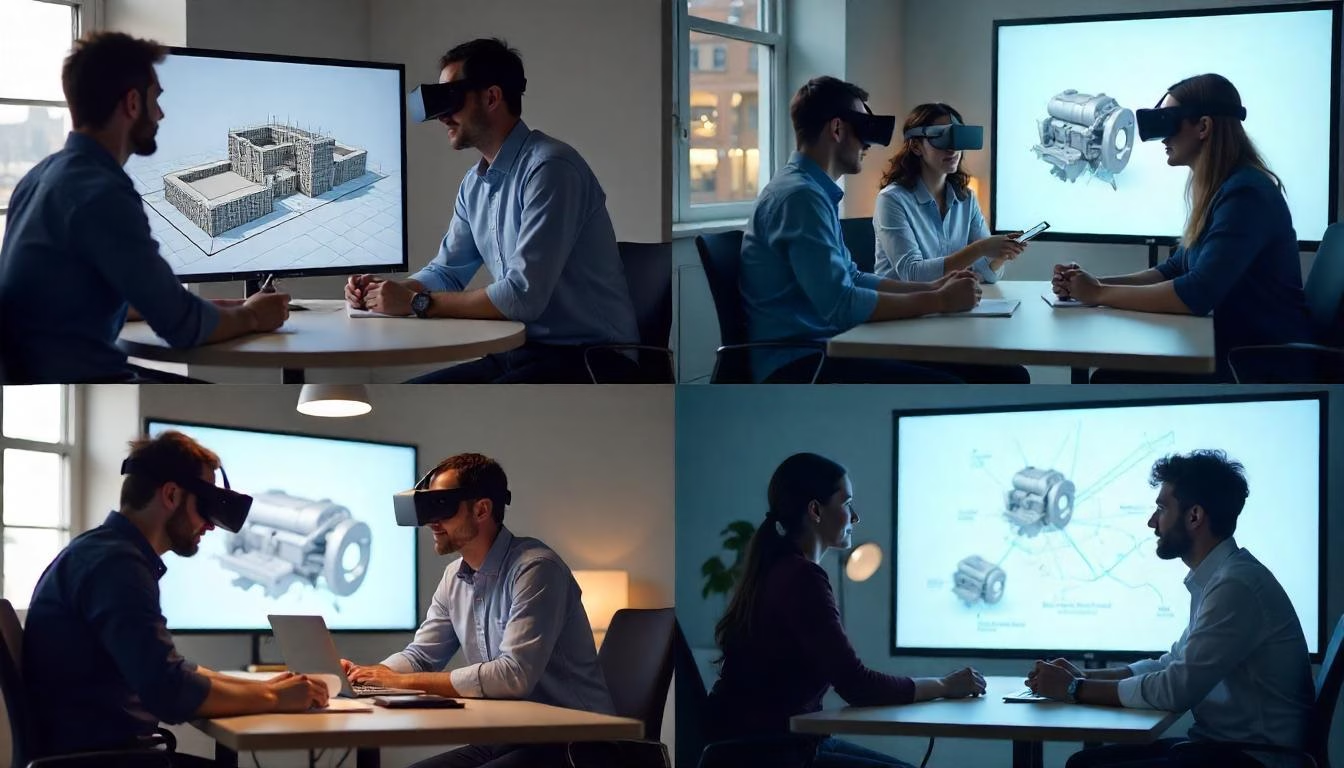
- Virtual Reality (VR): Stepping into a Shared Digital World: VR transports users into fully simulated environments. Imagine a design team walking through a virtual prototype of a new product, architects collaborating on a 3D building model, or engineers troubleshooting a complex machine together in a virtual replica. VR offers unparalleled immersion, allowing for:
- Spatial Collaboration: Interacting with 3D objects and environments as if they were physically present.
- Enhanced Non-Verbal Communication: Body language, gestures, and spatial awareness contribute to richer and more effective communication.
- Shared Experiences: Participating in virtual brainstorming sessions, training simulations, and even social events, fostering a stronger sense of team cohesion.
- Augmented Reality (AR): Overlaying the Digital onto the Real World: AR blends digital elements with the user’s real-world environment. Imagine a remote expert guiding an on-site technician through a repair using AR overlays, or a distributed marketing team visualizing a new campaign’s assets overlaid on their office desks. AR facilitates:
- Contextual Collaboration: Sharing digital information and tools within the context of the real-world environment.
- Remote Assistance: Providing real-time guidance and support with visual cues and annotations.
- Hybrid Workflows: Seamlessly integrating digital information into physical tasks and meetings.
Freshness and Innovation: Beyond the Flat Screen
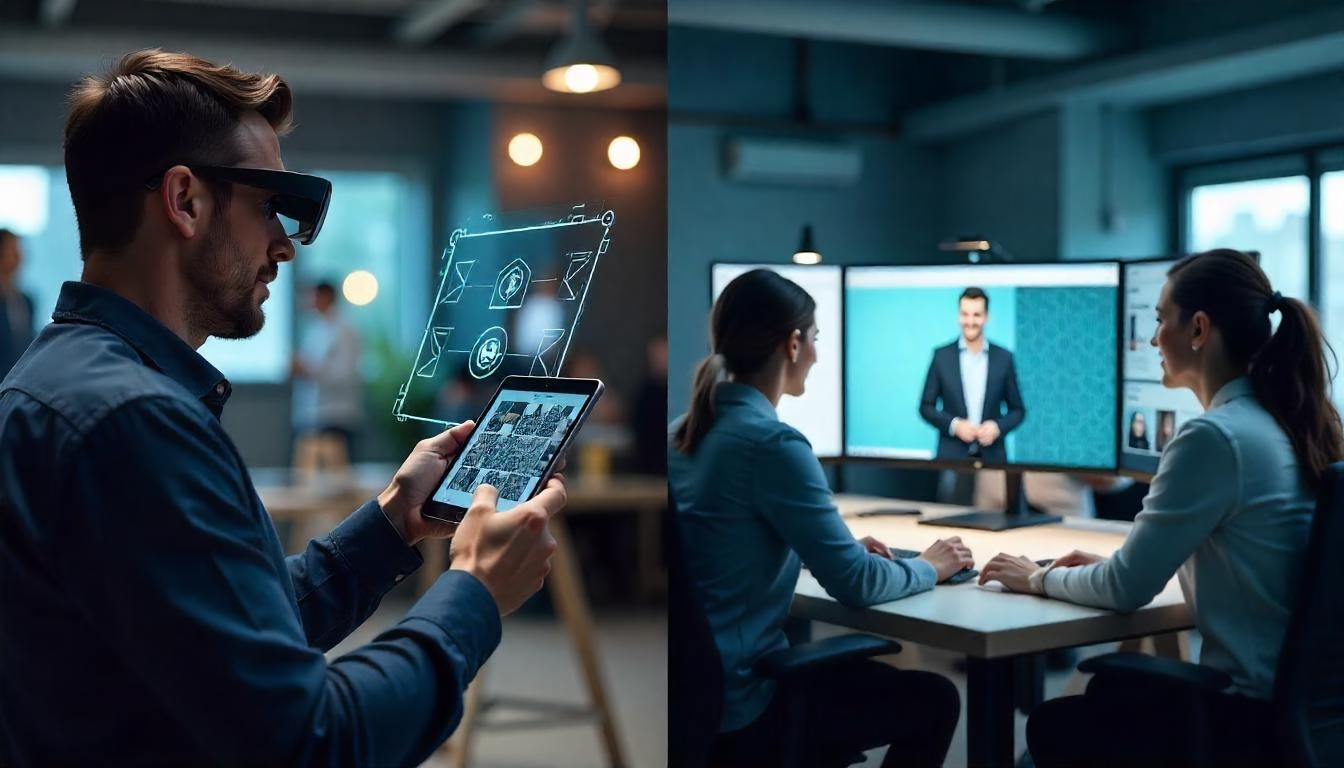
VR and AR offer a breath of fresh air compared to traditional remote collaboration tools. They move beyond static screens and limited interaction, providing:
- Engaging and Interactive Experiences: Immersive environments capture attention and foster active participation.
- Novel Ways to Visualize and Manipulate Data: Complex information can be presented and interacted with in intuitive 3D formats.
- Creative Problem-Solving: Shared virtual canvases and interactive simulations unlock new avenues for brainstorming and innovation.
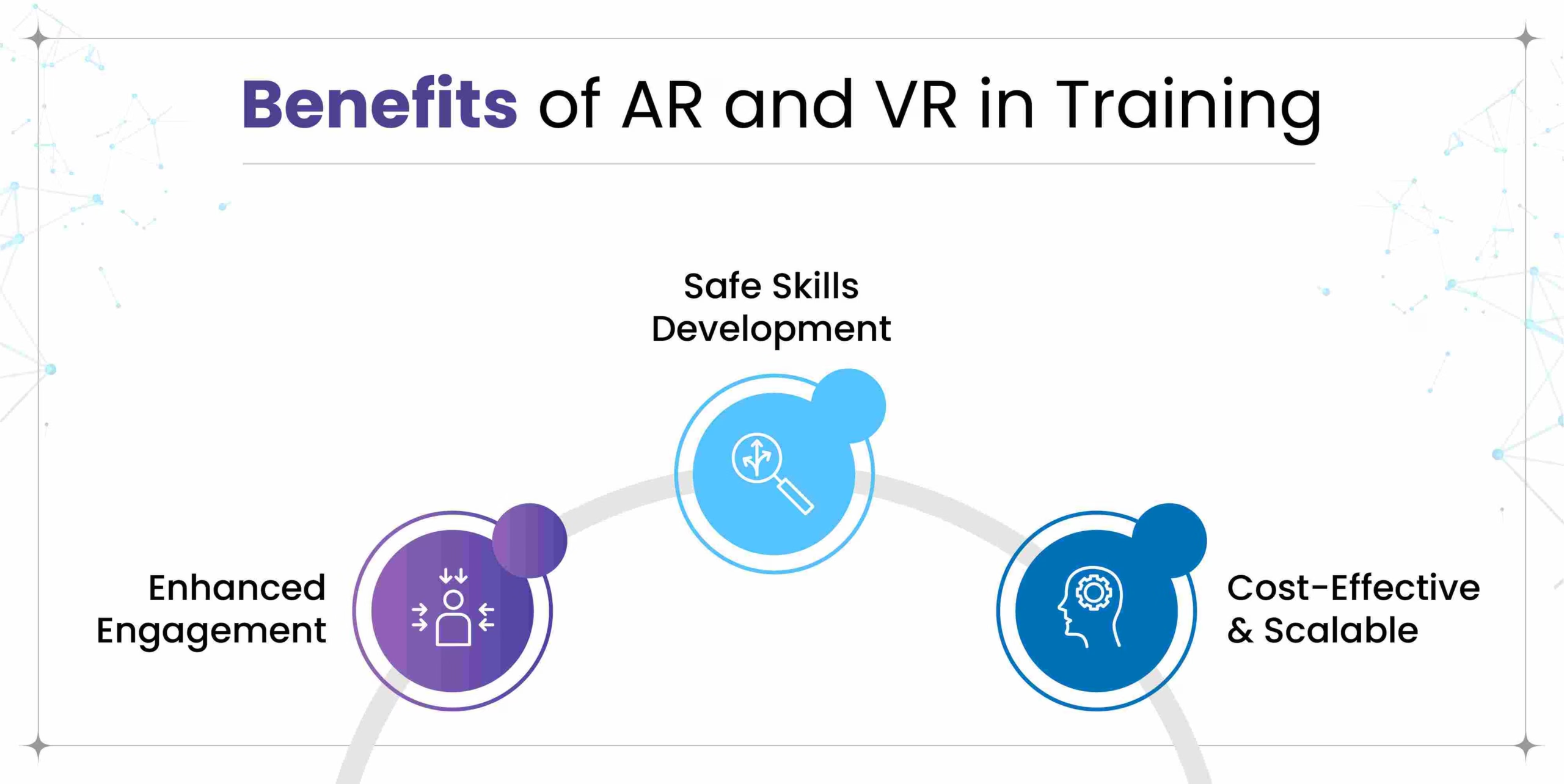
- Enhanced Training and Onboarding: Realistic virtual simulations provide hands-on learning experiences for remote teams.
Backed by Industry Leaders and Research
The adoption of VR and AR in enterprise collaboration is not just hype; it’s supported by significant investment and research:
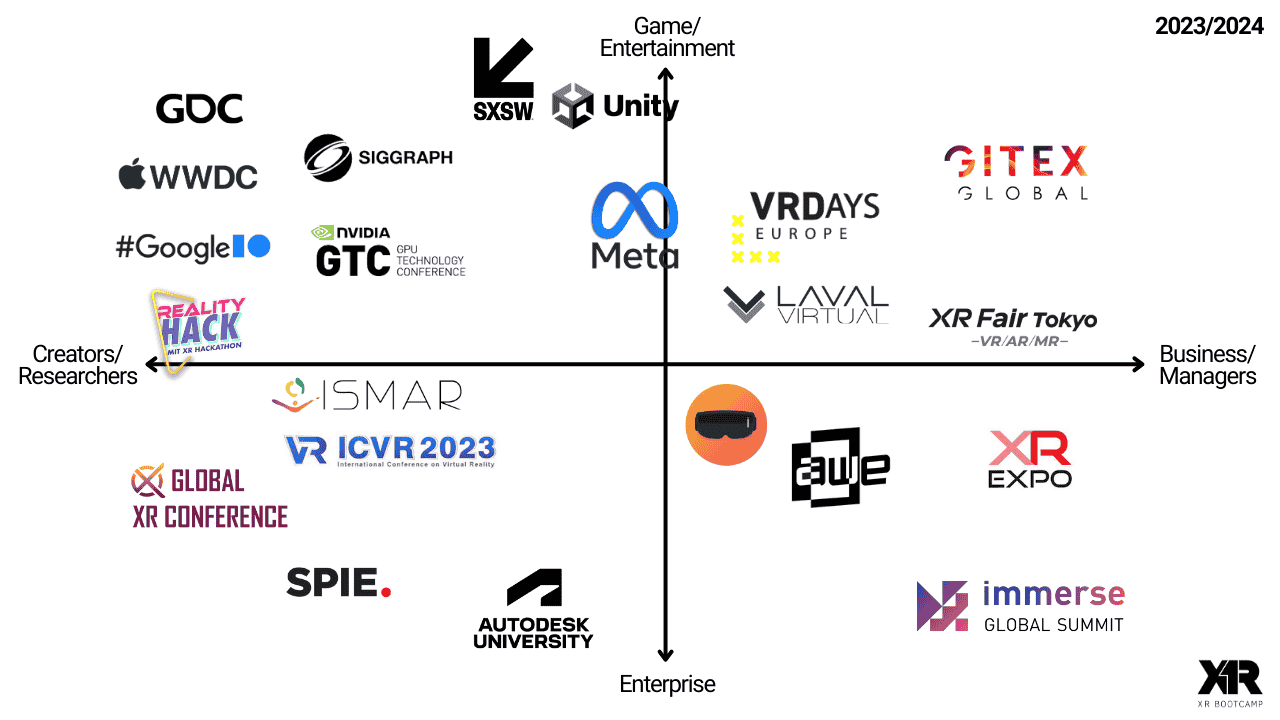
- Industry Adoption: Major tech companies and forward-thinking organizations are actively developing and implementing VR/AR solutions for collaboration.
- Research and Development: Ongoing advancements in hardware and software are making these technologies more accessible, affordable, and user-friendly.
- Expert Insights: Leading researchers and industry analysts recognize the transformative potential of VR/AR in reshaping remote work and team dynamics.
The Future is Immersive: Embracing the Next Evolution of Collaboration
While still evolving, the impact of VR and AR on the future of collaboration is undeniable. As these technologies become more sophisticated and accessible, we can expect to see:
- More Realistic and Intuitive Interactions: Advancements in haptics and tracking will further blur the lines between the physical and virtual.
- Seamless Integration with Existing Tools: VR/AR platforms will increasingly integrate with existing communication and productivity suites.
- Personalized and Adaptive Collaboration Spaces: Virtual environments will be customizable to individual and team needs.
- Democratization of Access: Lower costs and improved usability will make immersive collaboration accessible to a wider range of businesses and teams.

Conclusion:
The era of flat-screen remote collaboration is drawing to a close. Virtual and augmented reality offer a powerful and transformative path towards more engaging, effective, and human-centric remote team interactions. By embracing these immersive technologies, organizations can break down geographical barriers, foster stronger team connections, and unlock new levels of innovation. The metaverse meeting room isn’t just a futuristic fantasy – it’s rapidly becoming the reality of tomorrow’s collaborative landscape. Are you ready to step inside?