

The once-fierce rivalry between Apple and Samsung is now yielding to strategic necessity. A dramatic global surge in the price of Random Access Memory (RAM) has forced Apple to significantly deepen its reliance on its South Korean competitor for crucial memory chip supplies. This pivot underscores a new reality in the tech world: securing a stable supply chain now outweighs historical corporate tensions as the market tightens.
The AI-Fueled Memory Squeeze
The primary driver of the escalating costs is the unprecedented global hunger for high-performance memory. Demand from massive AI servers and data centers is consuming advanced production capacity, particularly for High Bandwidth Memory (HBM) and next-generation DDR5 chips. These sophisticated modules, essential for training and running complex AI models, command a premium. Consequently, memory manufacturers, including Samsung, SK Hynix, and Micron, are prioritizing these high-margin contracts.
Consumer electronics companies like Apple are caught in the crossfire, grappling with shrinking allocations of standard DRAM chips. Data confirms the severity of this crunch. RAM prices for PC and mobile devices surged by an average of 20% to 30% in the final quarter of 2025 alone. This sharp increase places immense pressure on device makers’ margins and production schedules.
Also Read: AI’s Memory Wars Threaten Your Next Phone’s Price Tag
Apple’s Evolving Strategy for Next-Gen Devices
Apple requires an ever-increasing supply of high-performance RAM for its upcoming product cycle. Next-generation iPhones, Macs, and the innovative Vision Pro headset all depend on higher memory capacity. This enhanced RAM is vital for running new, sophisticated on-device AI features, boosting multitasking capabilities, and powering graphics-intensive applications.
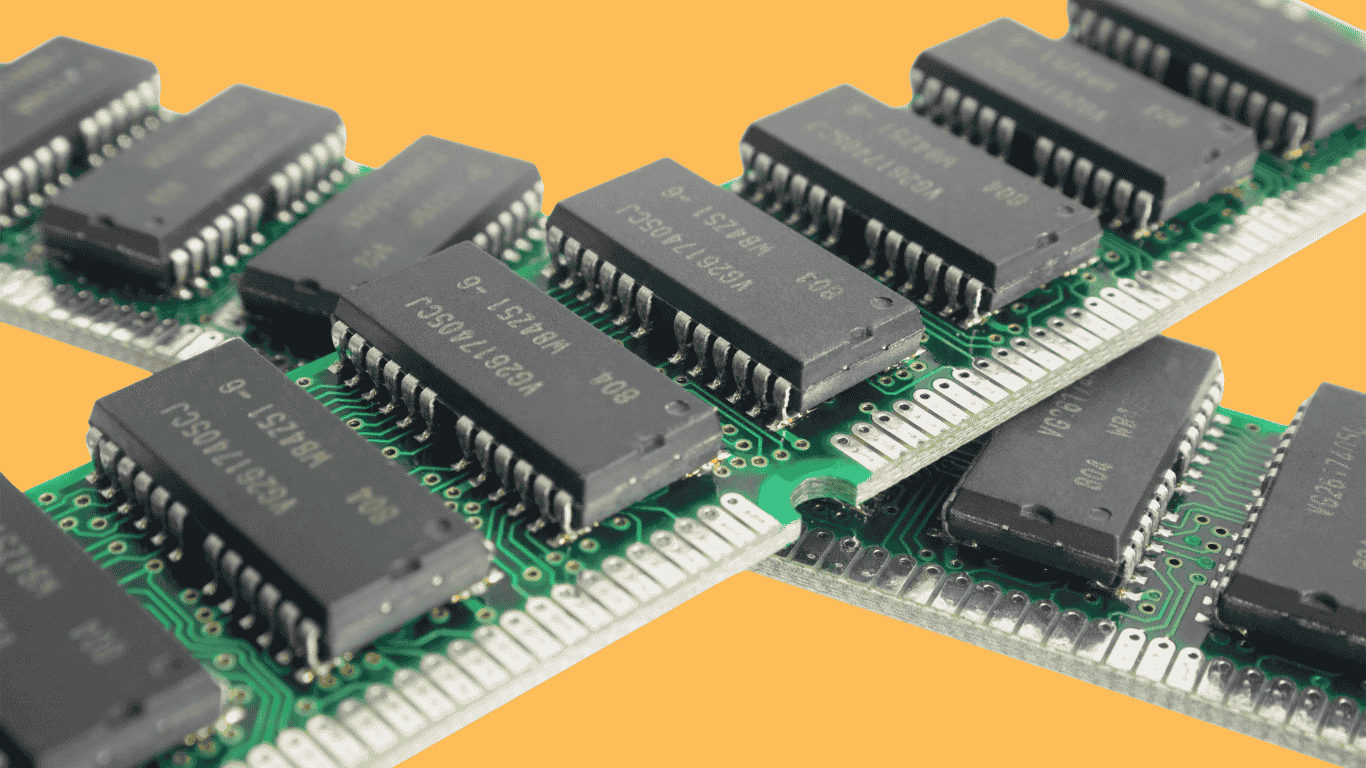
To mitigate the risk of launch delays or cost inflation, Apple has reportedly boosted its volume orders with Samsung Electronics’ memory division. While the two companies have a profoundly adversarial history in the smartphone arena, Samsung has always been a key backend supplier of components such as displays and NAND flash. The current market dynamics, however, elevate memory supply to a critical strategic partnership. Securing volume and achieving price predictability from the world’s largest DRAM producer, Samsung, is now a crucial step in mitigating Apple’s risk.
Consumer Impact and Market Outlook
The rising component costs will inevitably translate to pressure on Apple’s legendary profit margins. This financial squeeze could result in several visible changes for consumers. We may see higher starting prices for new devices, reduced base RAM in entry-level models, or a greater differentiation in memory configurations, favoring the premium ‘Pro’ tiers.
Enterprise customers and professional developers who rely on memory-intensive Macs for specialized workloads, such as AI and machine learning, may face higher upgrade costs. Apple’s reliance on Samsung also presents a geopolitical risk. While consolidating with a proven partner provides short-term stability, it increases exposure to potential disruptions affecting the South Korean supply chain.
Also Read: How to Recover Deleted WhatsApp Chats in 5 Minutes Using Cloud Backup
Apple is strategically utilizing its internal custom silicon, such as the A-series and M-series chips, to optimize memory usage. This design approach aims to maximize performance gains even under severe cost constraints. However, the move to embrace Samsung so tightly clearly signals the profound impact AI is having on the entire component market. It highlights a new era of ‘co-opetition,’ where even giants set aside historical animosities to survive and thrive amidst an insatiable global appetite for memory.
