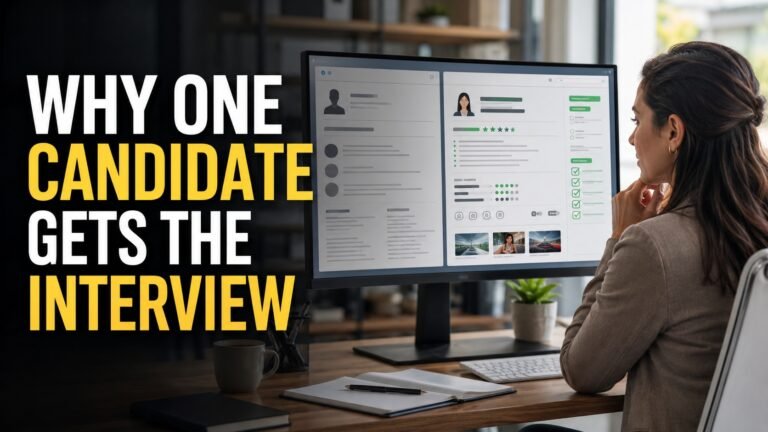


Getting invited to a remote job interview is a strong sign that your resume worked. But many good candidates still lose opportunities during the interview stage because they are not prepared for how remote hiring decisions are actually made.
Remote employers are not only checking whether you can do the job. They are also checking whether you can communicate clearly, work independently, solve problems, stay organized, and fit into a distributed team.
If you have interviews but no offers, this guide will help you fix the most common interview mistakes before your next remote job call.
1. You Sound Qualified, But Not Specific Enough
Many candidates give general answers such as “I am hardworking,” “I am organized,” or “I am good with customers.” These answers sound positive, but they do not help recruiters understand what you can actually do.
Before your interview, prepare short examples from your past work. Mention the situation, what you did, and the result. For remote jobs, your examples should show communication, problem-solving, reliability, accuracy, customer support, admin support, or independent work.
Better answer style: “In my last role, I handled customer requests through email and chat, organized follow-ups in a tracking sheet, and reduced missed responses by keeping daily status notes.”
2. You Do Not Connect Your Experience To The Remote Role
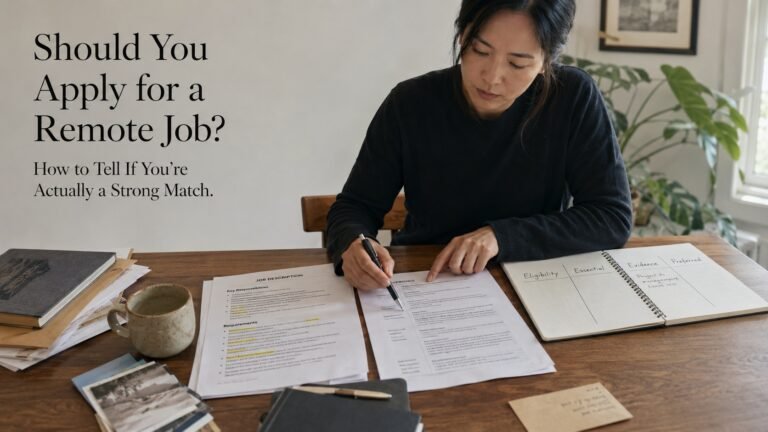
A recruiter may like your background, but still reject you if they cannot clearly see how your experience fits the job.
Do not wait for the recruiter to make the connection. Explain it yourself. If the job requires customer communication, show customer examples. If it requires data entry, show accuracy and spreadsheet experience. If it requires virtual assistance, show scheduling, inbox, admin, and organization experience.
Before your interview, compare your resume with the job description using the WorkinVirtual Job Match Score so you know which strengths to highlight.
3. Your Answers Are Too Long
Remote interviews often happen on video or phone. Long answers can make it difficult for recruiters to follow your strongest points.
Keep your answers clear and focused. A good interview answer should usually explain one main point, one example, and one result. Avoid turning every answer into your full career history.
If you are asked, “Tell me about yourself,” focus on the role you are applying for, your most relevant experience, and why you are a good match for this specific remote job.
4. You Do Not Show Remote Work Readiness
Remote employers want to know whether you can work without constant supervision.
During the interview, mention how you stay organized, manage deadlines, communicate updates, handle written communication, and ask questions when something is unclear.
If you are new to remote work, focus on transferable habits. Examples include managing tasks independently, using spreadsheets, responding to customers, working with digital tools, handling deadlines, and keeping records accurate.
If you are unsure which skills are missing from your profile, use the WorkinVirtual Skills Gap Analyzer before applying to similar roles.
5. You Are Not Ready For Common Interview Questions
Many candidates wait until the interview starts to think about their answers. That creates nervous, unclear, or generic responses.
Prepare answers for common questions before the call. These may include:
- Tell me about yourself.
- Why are you interested in this remote role?
- How do you stay organized while working independently?
- Tell me about a time you solved a problem.
- How do you handle difficult customers or deadlines?
- Why should we hire you?
Use the WorkinVirtual Interview Question Generator to practice answers before your next interview.
6. You Do Not Ask Smart Questions
When the recruiter asks, “Do you have any questions?” saying “No” can make you look less interested.
Prepare two or three useful questions before the interview. Keep them focused on the job, expectations, team process, training, tools, and success in the role.
Good questions include:
- What does success look like in the first 90 days?
- What tools does the team use for communication and task tracking?
- What are the biggest challenges someone in this role should be ready for?
- How is performance measured for this remote position?
7. You Do Not Follow Up Professionally
A short follow-up message can reinforce your interest and remind the recruiter why you are a strong fit.
After the interview, send a simple thank-you message. Mention the role, one specific point from the conversation, and your interest in moving forward.
Do not send repeated messages every day. A professional follow-up should be clear, polite, and respectful of the hiring process.
Editor Note: If you are getting interviews but not offers, do not assume you are unqualified. Improve how you explain your experience, connect your background to the role, prepare better examples, and show that you are ready for remote work.
Prepare Before Your Next Remote Interview
Before your next interview, use WorkinVirtual tools to check your job match, identify missing skills, practice interview questions, and improve your hiring confidence.
Choose your next step
Keep your momentum with practical tools and verified remote-work opportunities.
Related guides for your next step
A fresh, topic-aware mix from the WorkinVirtual library. Suggestions rotate regularly.