


The way we work is undergoing a seismic shift. Forget rigid office hours and geographical limitations – the future of work is decentralized, powered by the revolutionary forces of Decentralized Autonomous Organizations (DAOs), Web3 technologies, and a burgeoning remote workforce. This isn’t just a trend; it’s a fundamental reimagining of how we collaborate, create value, and build careers.
The Rise of the DAO: More Than Just a Buzzword
Imagine an organization run not by a hierarchical structure, but by code and community. That’s the essence of a DAO. These internet-native entities utilize blockchain technology to establish transparent and democratic governance. Decisions are made through proposals and voting by token holders, empowering members and fostering a sense of collective ownership.
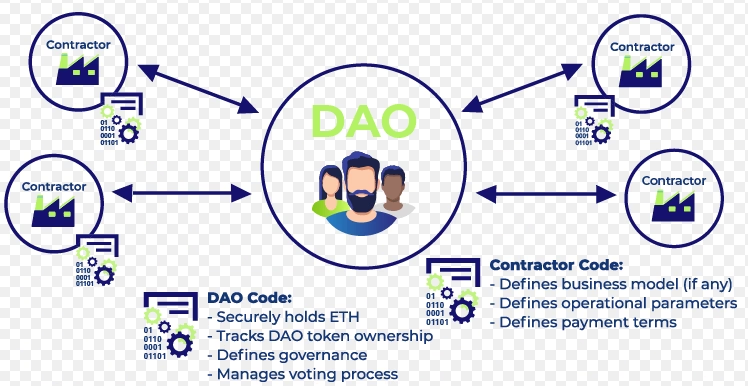
For the remote workforce, DAOs offer exciting possibilities:
- DAOs are inherently global and asynchronous, perfectly aligning with the needs of remote teams spread across the globe.
- Smart contracts can automate payments and ensure fair and transparent compensation based on contributions.
- Members have a direct say in the direction of the organization, fostering a more engaged and motivated workforce.
- DAOs are creating novel roles and opportunities that didn’t exist before, from governance participation to specialized skill contributions.
Web3: The Infrastructure of Decentralized Work
Web3, the next iteration of the internet built on blockchain technology, provides the underlying infrastructure for this decentralized future. It encompasses a suite of technologies, including cryptocurrencies, NFTs, and decentralized applications (dApps), that are transforming how we interact online and, crucially, how we work.
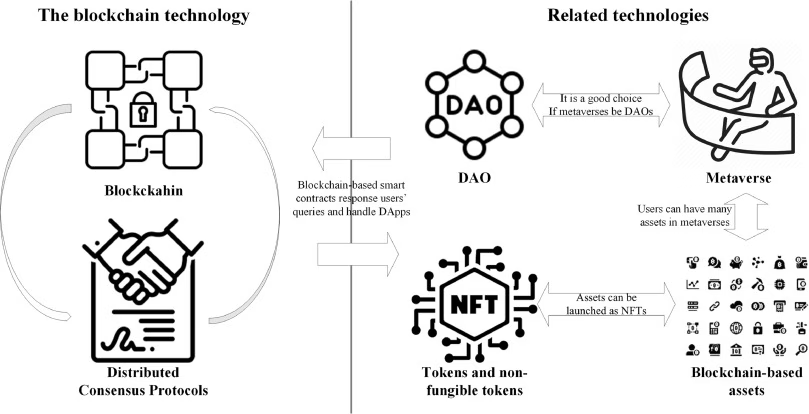
Here’s how Web3 fuels the future of decentralized work:
- Blockchain ensures secure and auditable transactions, vital for freelance marketplaces and cross-border payments.
- NFTs can represent ownership of digital assets and verifiable credentials, revolutionizing how we showcase skills and build professional reputations.
- Web3 enables the creation of peer-to-peer marketplaces that eliminate intermediaries and empower independent workers.
- Concepts like tokenomics and decentralized finance (DeFi) are creating innovative ways to incentivize contributions and reward talent.
The Remote Workforce: The Catalyst for Change
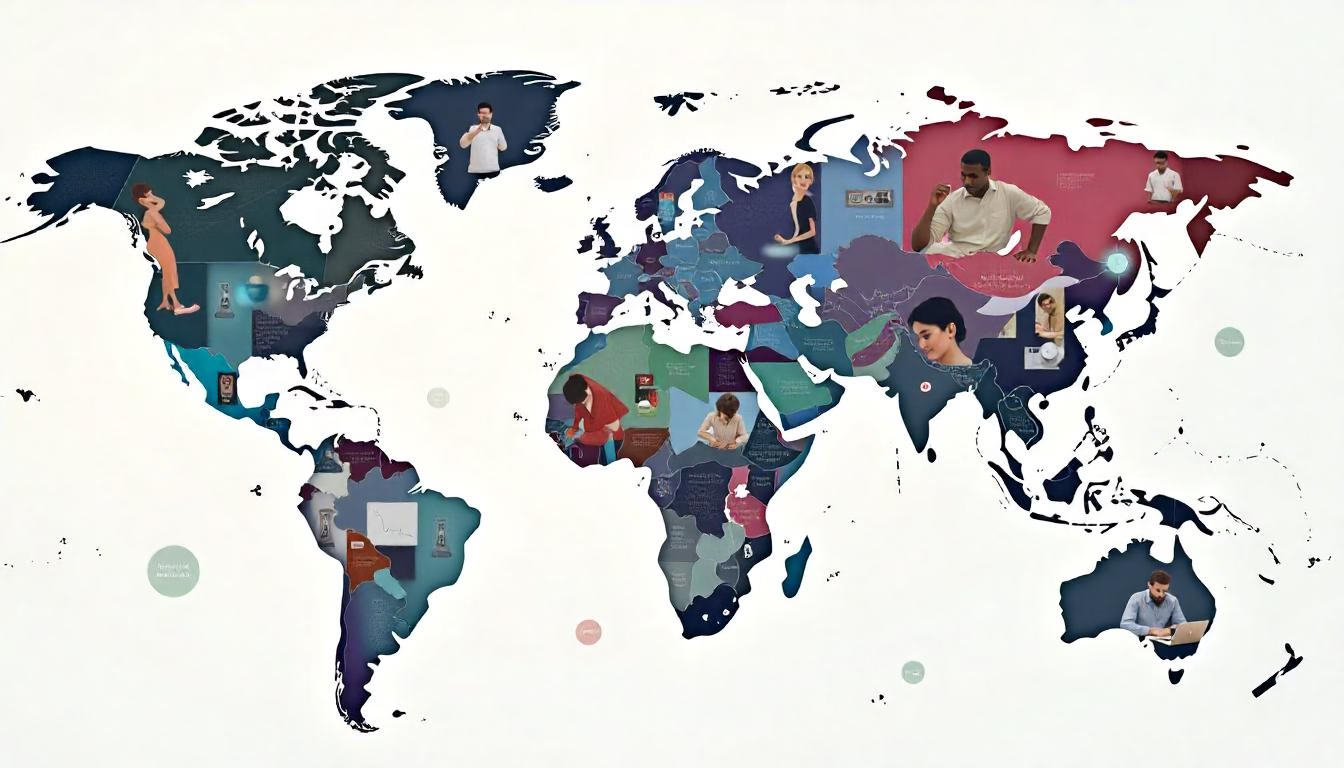
The rise of remote work has paved the way for the adoption of DAOs and Web3. As more individuals and companies embrace distributed teams, the need for decentralized and transparent organizational structures becomes increasingly apparent. Remote workers are often early adopters of new technologies, making them natural pioneers in this evolving landscape.
Navigating the Decentralized Future of Work
While the potential of DAOs and Web3 for remote work is immense, there are challenges to consider:
- The legal and regulatory landscape for DAOs and Web3 is still evolving.
- Ensuring the security and scalability of decentralized platforms is crucial.
- Making these technologies accessible and user-friendly for a wider audience is essential.
- Establishing effective and inclusive governance mechanisms within DAOs requires careful consideration.
Conclusion: Embracing the Transformation
The convergence of DAOs, Web3, and the remote workforce signals a profound shift in how we approach work. This decentralized future promises greater autonomy, transparency, and opportunity for individuals and organizations alike. By understanding and embracing these transformative forces, we can unlock new possibilities and build a more equitable and dynamic world of work.