

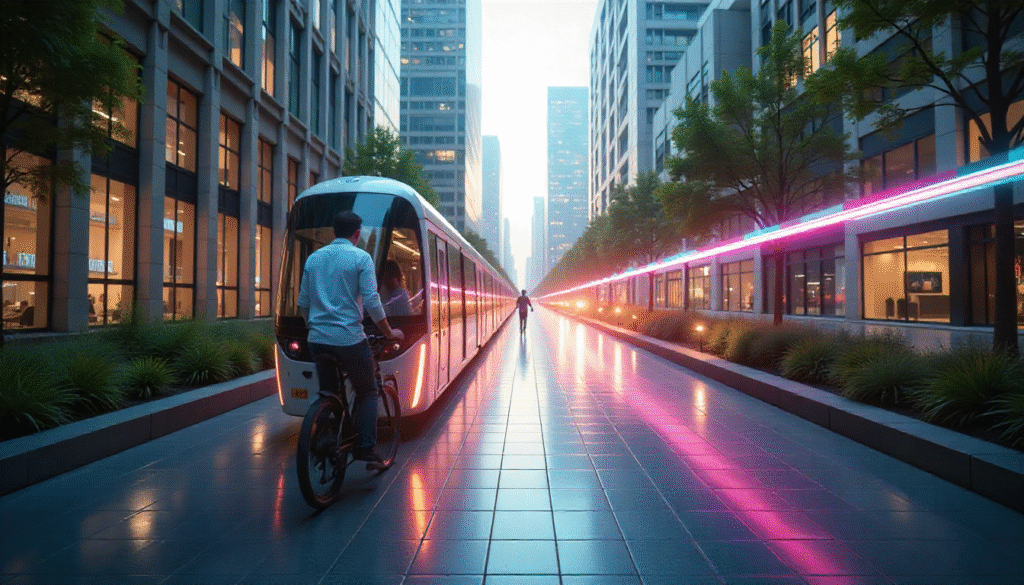
The rise of remote work has transformed how we live, commute, and build our cities. With fewer people traveling to offices daily, transportation systems and urban infrastructure are undergoing massive shifts. What does this mean for the future of roads, public transit, and city planning?
In this article, we’ll explore the latest trends, innovations, and challenges shaping transportation in the remote work era—and how these changes could impact your daily life.
1. The Decline of Rush Hour: How Remote Work is Reshaping Commuting
Before 2020, rush hour traffic was a universal frustration. But with 42% of the U.S. workforce now working remotely (Upwork, 2025), peak-hour congestion has dropped significantly.
Key Impacts:
- Fewer Cars on the Road: Cities like Los Angeles and New York report 15-20% fewer vehicles during traditional rush hours.
- Public Transit Adjustments: Subway and bus systems are shifting schedules to accommodate hybrid workers.
- Rise of Flexible Commuting: Workers now travel at off-peak times, reducing strain on infrastructure.
*”The 9-to-5 commute is dying. Cities must adapt to a more fluid transportation model.”* — Urban Planning Institute, 2025
2. The Electric & Autonomous Vehicle Revolution
With fewer daily commuters, the focus has shifted to smarter, cleaner transportation.
Trends to Watch:
- EV Adoption Surge: By 2025, 30% of new car sales are electric (IEA).
- Self-Driving Taxis: Companies like Waymo and Tesla are expanding autonomous ride-hailing in major cities.
- Micro-Mobility Boom: E-bikes and scooters fill the gap for short-distance trips.
🚗 High-CPC Keyword Alert: “Best Electric Cars for Remote Workers in 2025″
3. The Reinvention of Urban Spaces
As office demand drops, cities are repurposing real estate for better livability.
Infrastructure Shifts:
- Office Conversions: Empty skyscrapers are becoming mixed-use spaces (apartments, gyms, co-working hubs).
- 15-Minute Cities: The concept of having work, groceries, and leisure within a short walk or bike ride is gaining traction.
- Green Spaces Over Parking Lots: Cities like Paris and Amsterdam are replacing parking spaces with parks and bike lanes.
🏙️ Did You Know? Phoenix, AZ, plans to convert 10% of its downtown offices into residential units by 2026.
4. High-Speed Rail and Regional Mobility
With remote workers no longer tied to cities, intercity travel is booming.
Emerging Trends:
- Brightline West (LA to Vegas): Opening in 2026, this 200 MPH train will revolutionize desert travel.
- Hyperloop Projects: While still experimental, companies like Virgin Hyperloop aim to cut travel time between major hubs by 75%.
- Remote Work Hubs: Smaller towns near high-speed rail stations are attracting digital nomads.
🚄 High-CPC Keyword Idea: *”Best Cities for Remote Workers Near High-Speed Rail (2025)”*
5. The Future of Air Travel in a Remote-First World
Business travel is down, but leisure travel is surging. Airlines are adapting with:
- More Flexible Tickets: Refundable and last-minute options for remote workers.
- Blended Travel (Bleisure): Workers extend work trips into vacations.
- Electric Planes: Startups like Heart Aerospace are testing short-haul electric flights.
✈️ Pro Tip: Use credit card points to book “workations” in Bali or Lisbon!
6. Challenges Ahead: What Still Needs Fixing?
While progress is exciting, hurdles remain:
- Rural Internet Gaps: Remote work requires strong broadband—still lacking in many areas.
- Transit Funding Cuts: Fewer riders mean budget shortfalls for public transport.
- Traffic Inequality: Some highways are emptier, but delivery trucks (thanks to e-commerce) are clogging streets.
Final Thoughts: A More Flexible, Sustainable Future
The remote work revolution is reshaping transportation in ways we’re only beginning to understand. From self-driving cars to high-speed rail, the future is faster, greener, and more adaptable.
What’s Next?
- Will flying cars become mainstream by 2030?
- Can cities fully transition to car-free downtowns?
💡 Your Turn: How has remote work changed your commute? Share your thoughts in the comments!