

If a remote job says “up to 25% travel,” ask how the employer measures it and what a busy month looks like. If the employer counts workdays over a 20-workday month, 25% works out to five workdays. The listing may leave the measurement period, trip lengths, and number of nights away unanswered.
Find out what the percentage counts
Ask whether the figure counts days, hours, or time at customer sites, and whether it applies per month, quarter, or year. Find out if departure and return days count. If the employer uses a quarterly or annual measure, trips can cluster in a busy month. Ask how often the team approaches the listed figure and what triggers a trip.
Indeed’s own guidance for writing job descriptions recommends disclosing travel frequency, duration, and destinations. Those are useful details to request when a listing gives you only a percentage. Indeed’s job description guide.
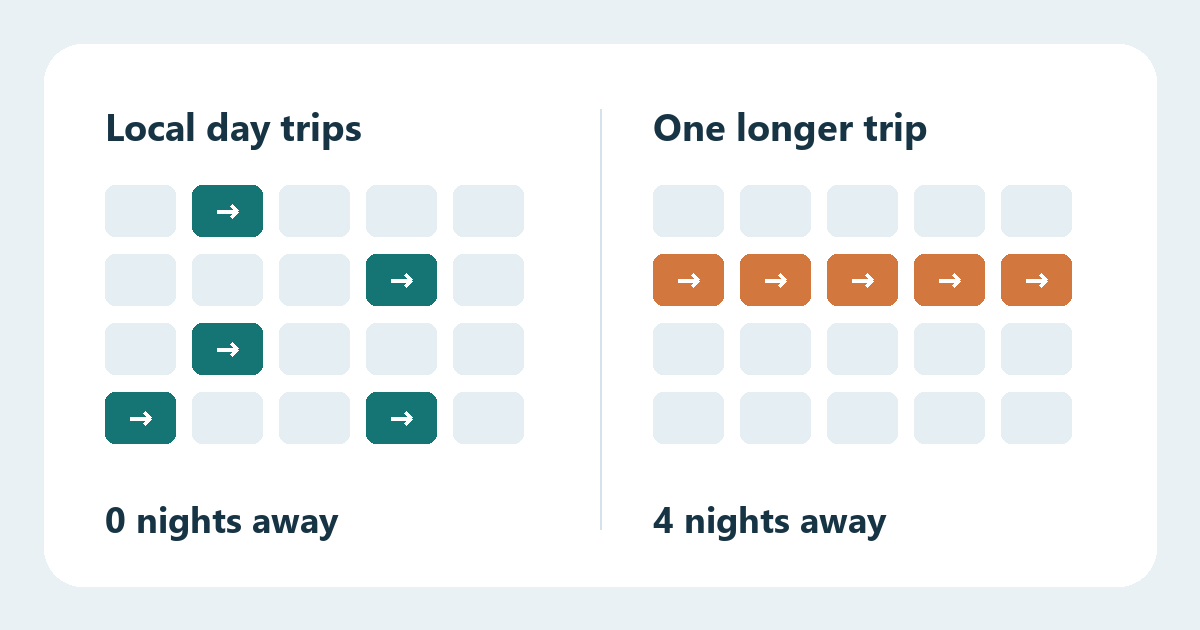
Compare two calendars with five travel days
Imagine two 20-workday months. In both examples, the employer counts any workday spent away as a travel day, including departure and return.
- Five local day trips: you visit a customer on five separate days across the month and come home each evening. That’s five workdays with travel and zero nights away.
- One Monday-to-Friday trip: you leave Monday, return Friday, and stay away Monday through Thursday nights. That’s five workdays with travel and four nights away.
Both examples use five of 20 workdays. To test the fit on your own calendar, mark days involving travel and nights away separately. Include any Sunday departure or late Friday return the recruiter confirms. Write down the most nights in a row you can manage, as well as your monthly limit.
Read the travel line and location line separately
In the Charter Impact Account Executive posting reviewed November 13, 2026, the employer listed remote work from selected U.S. states, including Arizona, Colorado, and Texas, and travel up to 25%. It cited events such as in-person meetings and conferences. The listing did not specify an average number of nights away or a required time zone. Use the official listing to check your own state and ask about both the team’s working hours and the travel territory. Charter Impact’s role description.
Save the requisition link and the date you checked it. If the employer’s posting and a job board disagree on travel, ask which terms apply to that requisition. If the role is gone when you read this, use the same check on the next listing. See the remote job location guide for help checking where you can work.
Ask for a typical month and a busy month
Try this message to the recruiter: “How do you measure the 25% travel for this role? Could you give me a typical month and a busy one, with the number of trips, nights away, and usual notice? Are there required trips during onboarding, and where would I normally depart from?”
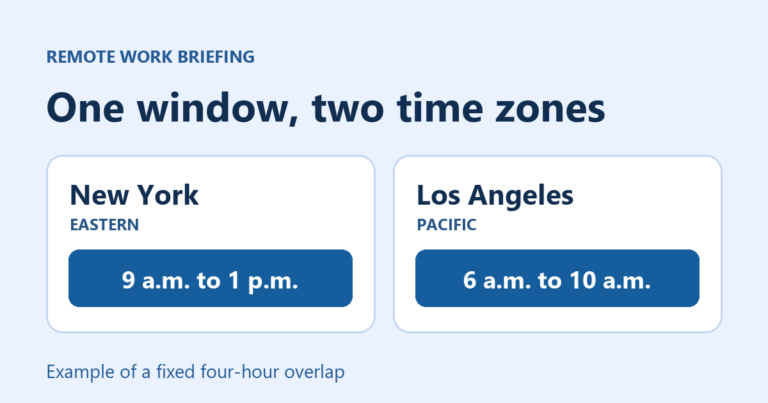
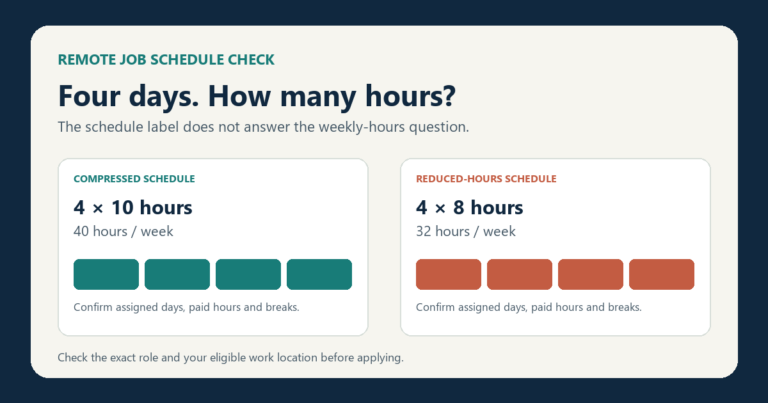
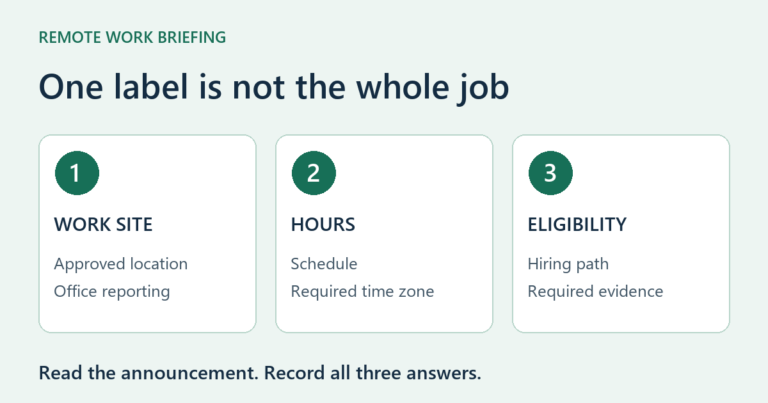
Write down the confirmed work location, working hours, measurement period, travel days, nights away, longest trip, and notice. Leave any unanswered field blank and ask when it can be confirmed. If the busiest month would be hard to cover, ask which trips are mandatory before you make a commitment. Check training hours separately if the first few weeks use a different schedule.
Choose your next step
Keep your momentum with practical tools and verified remote-work opportunities.
Related guides for your next step
A fresh, topic-aware mix from the WorkinVirtual library. Suggestions rotate regularly.


Discuss this guide
Ask a useful question, share relevant experience, or add a practical correction. Helpful contributions publish immediately after automated safety checks.
Start a thoughtful discussion
Be the first member to add a question or practical insight about this topic.
Join the discussion
Sign in with your verified WorkinVirtual account to contribute. Automated safety checks keep posting quick and protect the community.
Sign in to contribute