

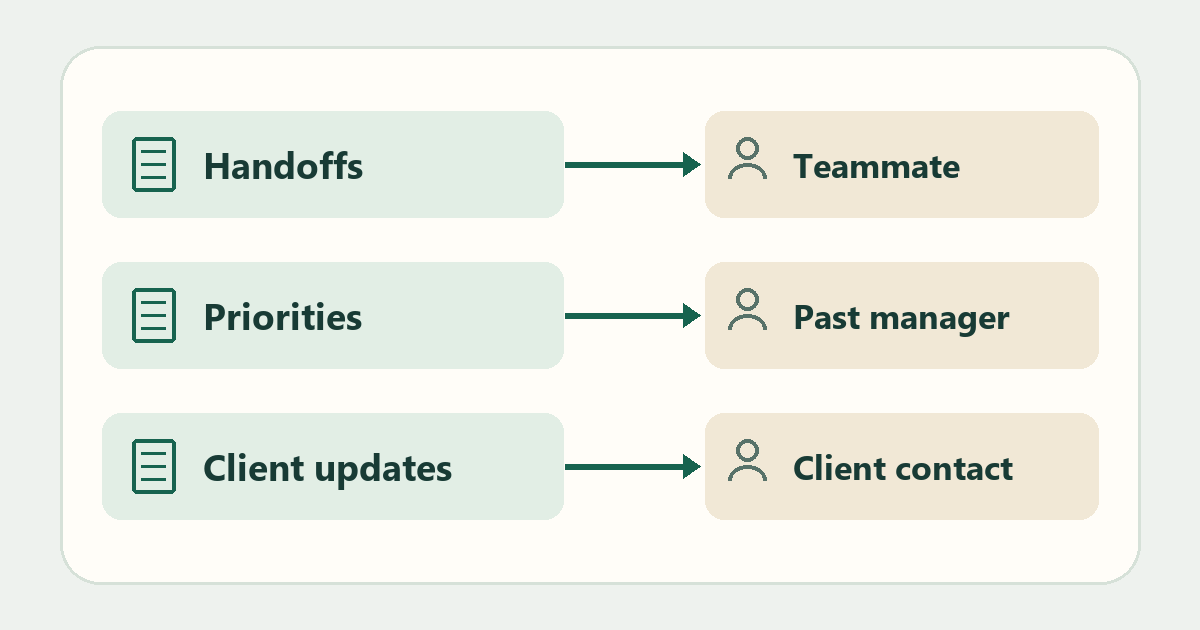
Choose references who can describe work they saw you do. For a remote role, that might mean a former manager who saw how you prioritized, a teammate who received your written handoffs, or a client who worked with you through a delivery problem. Check the employer’s required mix of references, ask each person’s permission, and tell the hiring team how you worked together.
Check the employer’s reference request
Confirm how many people the employer needs, whether any must be managers, and when it plans to contact them. If a requested contact could reveal a confidential job search, raise that before supplying the details and ask which alternatives the hiring team accepts.
Policies vary. GitLab’s candidate handbook requests three references including a past manager, with an exception for a candidate whose only manager is at their current company. Its published exception still calls for at least two references. Check the current instructions for the specific role. Minnesota’s CareerForce reference guidance identifies former supervisors, close colleagues and clients among potential work references. Ask the recruiter which of your available contacts fits its request.
Match each person to work they observed
Use the role’s three most important requirements to make a private reference map. For each one, write a brief example of your work and identify someone who observed it. Add how recently you worked together, their actual relationship to you, and what they can discuss. The remote interview introduction guide can help you choose examples that match the role.
Then mark each possible reference as confirmed, waiting for permission, or unavailable. If someone can confirm a project result but had little contact with your daily work, record that limit. Keep looking for a contact who can cover the missing part. Ask the recruiter about an accepted alternative when you cannot meet a reference requirement.
Work through a remote support example
Suppose you are applying for a remote customer support role that emphasizes written communication, reliable handoffs and prioritizing urgent issues. You have three possible contacts. The people and examples below are fictional.
| Possible reference | What they saw | What to confirm |
|---|---|---|
| Former shift teammate | Used your case summaries to pick up unresolved tickets. | Can they describe one clear handoff and how they used it? |
| Past manager | Reviewed your decisions when the queue became busy. | Can they explain a priority you set and the result they observed? |
| Former client contact | Received your updates during a delivery problem. | Can they discuss the updates and resolution without disclosing confidential details? |
In this example, the former teammate knows your handoffs best. The manager can speak to a different requirement. The client has useful evidence about your communication but did not observe the support team’s internal queue. Describe each relationship accurately and use the employer’s requirements to decide which contacts to submit.
Ask permission and prepare the handoff
CareerForce recommends getting permission, using each reference’s preferred contact details, and sharing the job description and your current resume. You can add a brief reminder of the work you did together, then let the reference decide what they can honestly discuss.
For the fictional teammate, try: “I’m interviewing for a remote support role where written handoffs matter. Would you be comfortable serving as a reference about the cases we worked on together? I can send the description and my resume. Please let me know your preferred contact details and any limits on what you can discuss.”
Once they agree, tell them the employer’s name and expected contact window. If scheduling matters, share their preferred hours with a time zone. Save a backup contact who has also agreed, so you can offer an alternative if someone becomes unavailable.
Keep contact details in the employer’s requested hiring channel. Review what you make public using the reusable remote-work profile guide. Before submitting, check that every person has agreed, every relationship is accurate, and the list meets the hiring team’s request.
Choose your next step
Keep your momentum with practical tools and verified remote-work opportunities.
Related guides for your next step
A fresh, topic-aware mix from the WorkinVirtual library. Suggestions rotate regularly.



Discuss this guide
Ask a useful question, share relevant experience, or add a practical correction. Helpful contributions publish immediately after automated safety checks.
Start a thoughtful discussion
Be the first member to add a question or practical insight about this topic.
Join the discussion
Sign in with your verified WorkinVirtual account to contribute. Automated safety checks keep posting quick and protect the community.
Sign in to contribute