

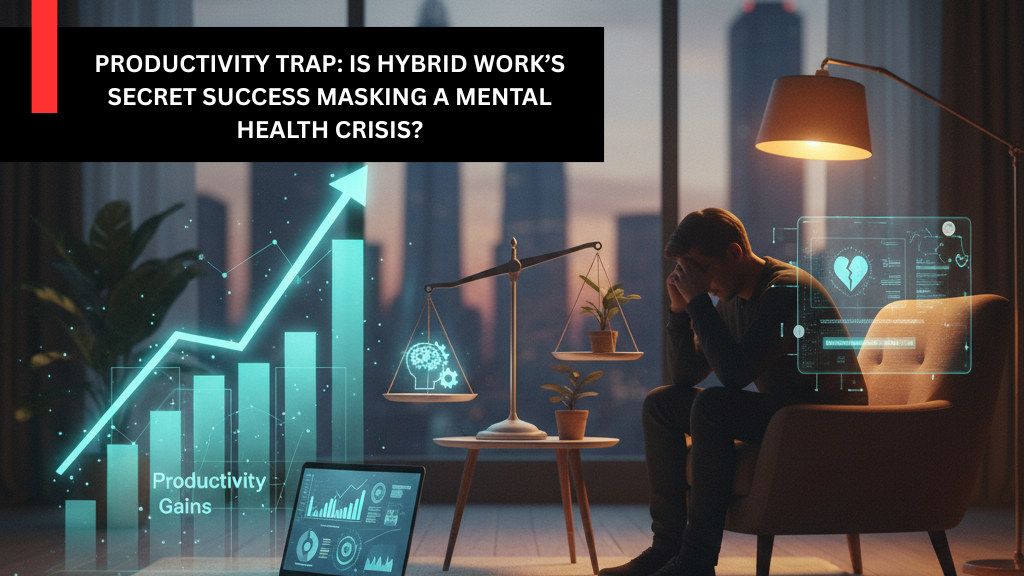
Productivity Soars but Burnout Looms in the Flexible Work Model
The global shift to hybrid work presents a profound paradox for corporate America. Companies cheer documented gains in output and talent retention, yet a creeping threat to employee well-being demands immediate attention. Hybrid work, blending remote and office days, is an undeniable employee favorite. Data reveals this flexibility can slash employee attrition rates by as much as 33% and dramatically improve job satisfaction scores. For organizations, this model is a significant cost-saver, particularly in the real estate industry. Furthermore, workers often report higher individual focus, with some studies showing remote work boosts productivity by 35-40% for individual-level tasks.
However, the flexible model introduces deep-seated tensions. The very autonomy that drives individual productivity often erodes work-life boundaries. Employees experience an “always-on” culture, confusing the lines between home and work. This lack of differentiation creates an opening for stress and burnout. In a related finding, while hybrid workers are engaged, a significant number report high daily stress levels. The constant context-switching between home and office demands a taxing mental load.
Team dynamics also suffer. Inconsistent in-office attendance creates an “in-office” vs. “remote” divide. This fosters inequities and damages the spontaneous collaboration vital for innovation. Isolation and disconnection become a real psychological challenge for many. Loneliness, a known precursor to mental health issues, increases without regular face-to-face social support.
The core challenge rests in leadership. Organizations must build a robust culture that actively mitigates stress. They must implement clear digital boundaries and focus on outcomes, and not just constant digital availability. Hybrid work offers a massive advantage for both business and employees, but only if companies stop viewing well-being as a secondary benefit. Companies must intentionally design policies that foster true integration and guard against the hidden costs of overwork and isolation. Otherwise, the productivity boost will eventually collapse under the weight of employee exhaustion.