

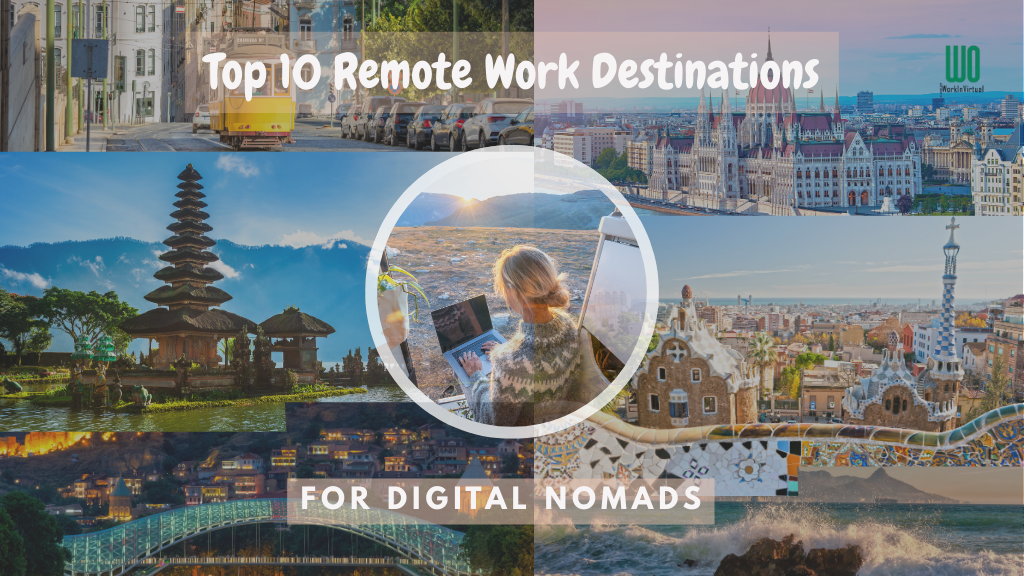
The best remote-work destination is the place where you may work legally, your employer or clients permit it, the time zone is sustainable, and housing, internet, healthcare and total costs fit your life. Begin with hard constraints rather than a generic top-ten ranking. Visa names and thresholds change, so confirm every shortlist through the destination’s government or consular website before booking.
Start with four non-negotiables
First, confirm the immigration route allows your actual work pattern. Permission to visit is not automatically permission to work remotely. Second, obtain written employer or client approval, including data-security and location limits. Third, understand that immigration status does not by itself settle personal or corporate tax. Fourth, ensure insurance and healthcare access satisfy both the programme and your needs.
If any of these fails, remove the destination from the shortlist. A cheap apartment or attractive beach cannot repair an unlawful or professionally risky arrangement.
Build a destination scorecard
Score each surviving destination from one to five, then apply your own weights:
| Factor | Questions to verify |
|---|---|
| Legal route | Is your nationality, income source and work type eligible? |
| Time zone | How many recurring meetings fall outside healthy hours? |
| Connectivity | Is fixed internet available at the exact address, with backup? |
| Total monthly cost | Housing, deposits, tax advice, insurance, transport and workspace? |
| Healthcare | Access, exclusions, wait times and medication continuity? |
| Work environment | Quiet room, ergonomics, calls and power reliability? |
| Community and language | Can you function beyond a short holiday? |
| Exit flexibility | What happens if work, housing or visa plans change? |
Do not copy someone else’s weights. A customer-support worker may weight time-zone overlap heavily; a writer may prioritise quiet housing; a family may make schooling and healthcare decisive.
Useful destination types
European digital-nomad or telework routes can suit people seeking infrastructure and regional access, but eligibility, documentation and taxes vary. Island programmes may offer established communities but can have seasonal housing pressure. Lower-cost cities can be appealing, yet published cost indexes may not reflect deposits, short-term rent or imported needs. A home-country “workcation” may be simpler legally, but employer and tax rules still matter.
Examples such as Estonia, Spanish telework routes and Madeira are starting points, not universal recommendations. Use the official page relevant to your nationality and application location. Consular procedures can differ.
Pre-move checklist
- Save the dated official immigration and consular requirements.
- Get written work-location approval.
- Seek qualified tax advice for both countries when exposure is plausible.
- Verify insurance in writing and plan ongoing care.
- Test actual address-level internet and a backup connection.
- Calculate a three-month budget including deposits and emergency travel.
- Book reversible housing first when possible.
- Protect devices, confidential calls and client data.
- Define an exit trigger if income, health or legal status changes.
This checklist is an engagement tool, not legal or tax advice. Immigration and tax decisions deserve official or qualified professional confirmation.
How to apply for a remote-work route
Use the destination government’s or competent consulate’s current application process. Match your nationality and place of application, collect only the documents it requests, confirm fees on the official page, and keep dated copies and receipts. Do not book irreversible travel on the assumption that an application will be approved. If the rules are ambiguous for your work pattern, obtain qualified immigration advice rather than selecting the closest-sounding visa.
How to choose without being misled
Treat crowd-sourced indexes as discovery tools. Check their update date, methodology and whether scores reflect your neighbourhood and season. Verify visa claims on government sites. Be sceptical of agents promising guaranteed approval or asking for payment through untraceable channels.
Make a two-week work simulation before moving: schedule meetings in the destination time zone, estimate realistic rent, and work from the setup you could afford. If sleep, output or budget deteriorates during the simulation, adjust the shortlist.
Quick questions
Can I work remotely on a tourist visa? Do not assume so. Check official rules for your nationality and work activity.
Which country is cheapest? Costs vary by city, neighbourhood, season and household; calculate a personal total rather than rely on a headline.
Does a digital-nomad visa remove tax obligations? Not automatically. Immigration and tax rules are separate.
Should internet speed decide the ranking? It is necessary but insufficient; reliability, backup power, security and workspace also matter.
Choose your next step
Keep your momentum with practical tools and verified remote-work opportunities.
Related guides for your next step
A fresh, topic-aware mix from the WorkinVirtual library. Suggestions rotate regularly.






Discuss this guide
Ask a useful question, share relevant experience, or add a practical correction. Helpful contributions publish immediately after automated safety checks.
Start a thoughtful discussion
Be the first member to add a question or practical insight about this topic.
Join the discussion
Sign in with your verified WorkinVirtual account to contribute. Automated safety checks keep posting quick and protect the community.
Sign in to contribute