

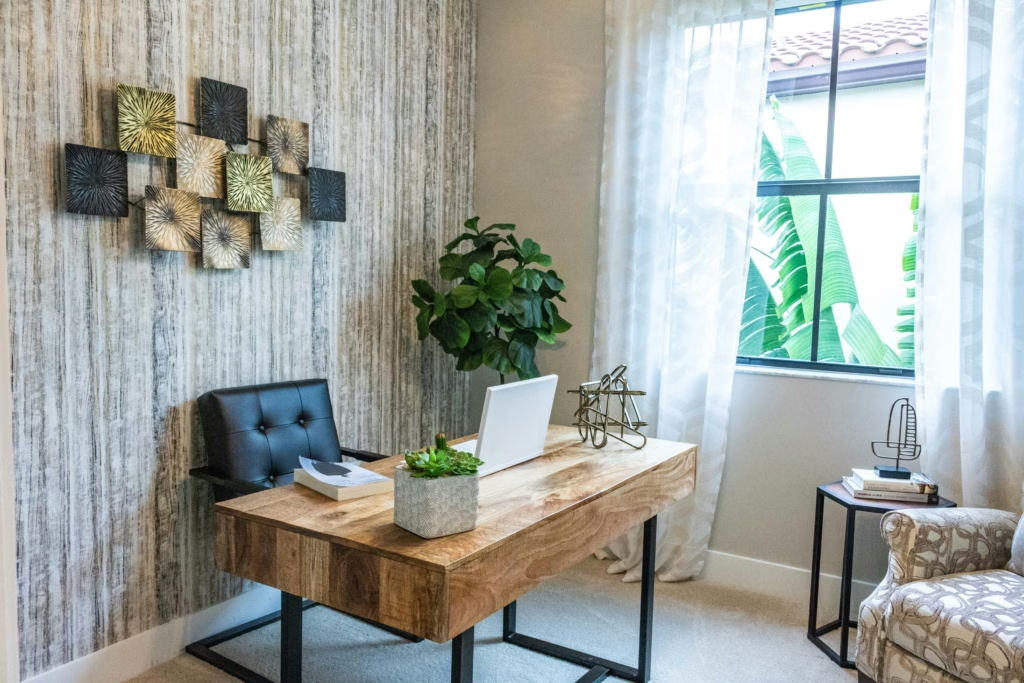
A mindful home office is a workspace that reduces avoidable friction and gives you simple cues to notice posture, distraction and the next task. Start with safety and comfort, remove one visual or digital distraction, define a single start ritual and schedule short movement or attention breaks. You do not need a separate room or expensive furniture. Test one change at a time for a week so you can keep what genuinely improves focus.
Start with physical fit
Mindfulness cannot compensate for persistent awkward posture or an unsafe setup. CDC/NIOSH guidance emphasizes designing office work so people do not need to overreach, stay in one position too long or use awkward postures. Adjust the chair or seat support, screen height, keyboard and pointing device so the task fits you as closely as practical. Change position and take short breaks.
If you share a table, use a portable setup box containing the few items that improve repeatability: laptop stand or stable riser, external keyboard if available, headset, charger and a small cue card. If pain, numbness, vision problems or other symptoms persist, seek qualified professional advice rather than relying on a blog.
What to prepare
Prepare a note or simple worksheet, a timer, the equipment you already use and one realistic boundary for interruptions. Photograph or sketch the current setup if that helps you compare changes, but keep the experiment private when the image could expose employer or household information.
Ten-minute home-office reset
Minute one: write the next visible outcome, not “work on project.” Minutes two and three: close unrelated tabs and silence nonessential notifications. Minutes four and five: clear the hand and sight zone. Minutes six and seven: check screen, seat and input-device position. Minute eight: choose the first work interval. Minute nine: take three unforced breaths and notice tension without trying to force calm. Minute ten: begin the smallest concrete action.
This reset is an engagement checklist, not a ritual you must perform perfectly. Its purpose is to make the next action obvious and reduce repeated decisions.
Design for attention
Separate capture from focus. Keep one trusted place for incoming tasks, then choose a short daily list. During a focus interval, put new thoughts into the capture list instead of switching immediately. Use a visible boundary—headphones, a desk sign or a household schedule—when other people share the space.
Mindfulness here means noticing that attention moved and returning to the chosen task without turning the distraction into a second problem. A short breath or body check can create that pause. It is not a promise of constant calm or maximum productivity.
Seven-day focus experiment
Choose one variable: phone location, notification schedule, desk clearing, lighting, background sound, task wording or break timing. Each day, record the task, planned focus minutes, actual focused interval, discomfort from zero to ten and the main interruption. Keep workload roughly comparable where possible. At the end of seven days, ask whether the change improved focus or comfort enough to keep.
Do not change five things at once; you will not know what helped. If the experiment fails, adjust the system rather than blaming yourself. The task may be too vague, the interval too long or the environment beyond your control.
A mindful end-of-day shutdown
Record unfinished work, choose tomorrow’s first action, close work accounts if possible and physically reset the shared space. A shutdown cue helps distinguish work from home time, but it cannot fix unrealistic workload or always-on expectations. Raise workload, scheduling or accommodation needs through appropriate workplace channels.
Quick questions
Do I need a dedicated room? No. A repeatable portable setup and household boundary can still reduce friction.
Will mindfulness cure poor focus? No. It may support attention, but medical, workload and environmental causes need appropriate help.
What should I change first? Fix safety or discomfort, then remove one frequent distraction and clarify the next task.
How often should I take breaks? Use official ergonomic guidance and your needs; short, regular movement is usually more useful than waiting for severe discomfort.
Choose your next step
Keep your momentum with practical tools and verified remote-work opportunities.
Related guides for your next step
A fresh, topic-aware mix from the WorkinVirtual library. Suggestions rotate regularly.





Discuss this guide
Ask a useful question, share relevant experience, or add a practical correction. Helpful contributions publish immediately after automated safety checks.
Start a thoughtful discussion
Be the first member to add a question or practical insight about this topic.
Join the discussion
Sign in with your verified WorkinVirtual account to contribute. Automated safety checks keep posting quick and protect the community.
Sign in to contribute