

Management Experts Reveal Three Alarming Reasons WFH Hinders You
A new book by top management scholars suggests the widespread shift to remote work is actively harming employees and organizations. Far from being a workplace victory, the movement has become increasingly problematic, say Peter Cappelli and Ranya Nehmeh. Their research highlights critical failures in leadership and the breakdown of professional development.
Cappelli, a professor at the Wharton School, and Nehmeh, an adjunct professor at the University of Applied Sciences for Management & Communication in Vienna, both admit they work remotely. However, they argue their organizations suffer because experienced staff like them are not physically present. This absence means junior employees also avoid the office, leading to a complete lack of in-person mentorship.
The professors were initially clear-eyed about their research. Remote work succeeded during the pandemic out of sheer necessity, but its negative effects now grow more obvious, they told Fortune. They express fear for the future: that workers will decide they no longer need to learn from one another.
A Failure of Leadership
The authors do not blame younger workers, but they note the stark rise of transactional behavior among Gen Z. Employees now often view their job as simply “I show up, I do my job, I get out.” This mindset avoids social interaction, culture, and the wider organization.
Gen Z’s lack of preparation for the office environment is so stark that some companies now offer etiquette classes. These courses teach basic skills like dressing for work or client interaction—lessons previously learned naturally in an office setting.
Surveys detailed in the book show staff communication, recognition, and burnout problems have all been magnified in remote settings. Leaders often fail to recognize the depth of these issues. Cappelli bluntly summarizes the core issue in the U.S.: Management has simply gotten worse.
Three Crushing Downsides of Remote Work
Cappelli and Nehmeh argue it’s time to end the remote-first workday. They name three key reasons:
1. The Culture Clash
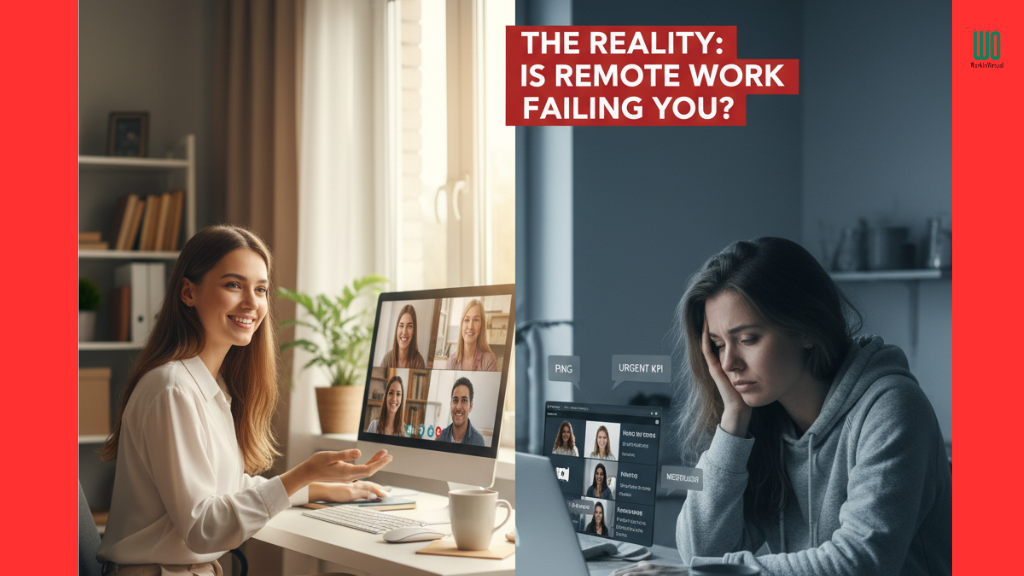
Remote work severely erodes organizational culture and community. Newer employees struggle to learn by watching or by building relationships, vital steps for professional growth. This struggle cascades upward. Mid-level and senior employees also feel detached as their jobs become screen-based transactions rather than real-life interactions. New hires lack the guidance and support needed to grow. Simple help now means scheduling a call or sending a “ping” that may go unanswered by a busy colleague.
2. Everything Is a Transaction
Remote work narrows people’s focus on their job. Work gets reduced to only Key Performance Indicators (KPIs). This shift started during the pandemic when supervisors focused on metrics to ensure accountability. It transforms professional relationships into transactions. The need for help becomes just another “ping” that sinks to the bottom of a coworker’s priority stack. The authors’ focus groups confirmed this: workers will answer pings after they finish their own KPI-driven work. Social relationships disappear.
3. The Productivity-Sapping Meetings Problem
While remote work was an emergency fix in 2020, its cracks now show. Zoom meetings, which seem efficient, actually reduce workers’ hourly productivity. They also lengthen the average workday. The authors argue that there are simply too many meetings, they last too long, and too many attendees tune out. Workers now routinely skip calls and send AI agents to take notes instead. As meetings grow bigger and less gets done, staff resort to “post-meeting meetings” to ensure they remain on track. The entire system has become a clear mess.
Do you feel your own workplace has experienced these problems, or have you found ways to successfully manage remote work?