

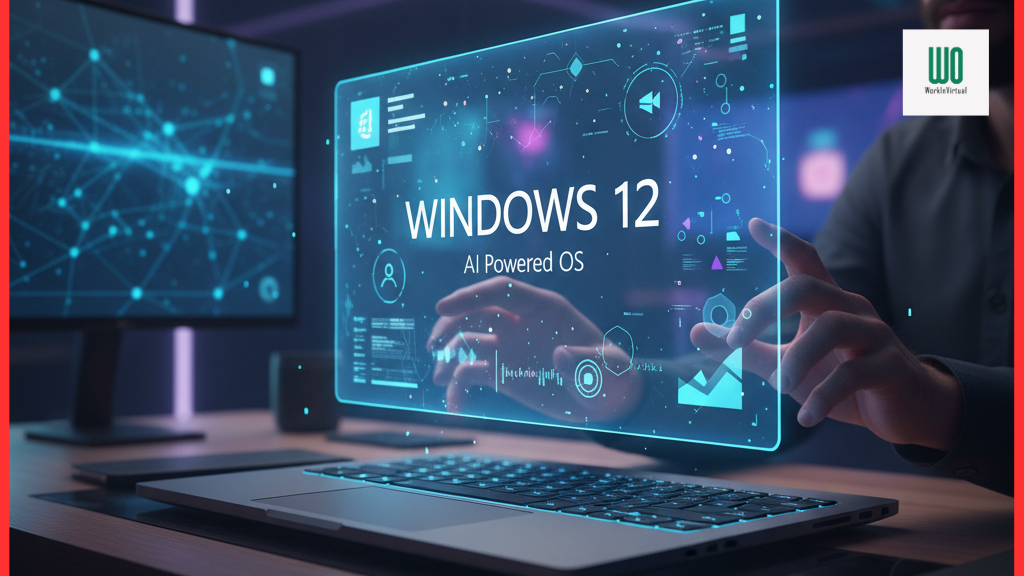
The tech world is buzzing with whispers about what’s next for Microsoft’s flagship operating system. While the company has been tight-lipped, a flood of rumors and leaks has painted a picture of a potential Windows 12. Far from a simple update, this new version could be a radical shift, focusing on artificial intelligence and a more flexible user experience.
The biggest news revolves around AI. It’s expected to be more than just the standalone Copilot we see in Windows 11. Instead, AI could be deeply integrated into the core of the operating system. Imagine an OS that can understand your natural language commands to find files or settings. This new AI could also power features such as real-time translation of subtitles in video calls and sophisticated security threat detection that adapts to your behavior.
Another major change hinted at is a redesigned user interface. Leaked concepts show a potential “floating” taskbar and a more customizable layout. This could lead to a cleaner look and a more intuitive experience across different devices, including desktops and touch-screen tablets. The goal appears to be a more modular design where components can be updated independently. This would streamline the update process and improve security.
As for a release date, nothing is official. However, industry insiders speculate that we might see a launch in late 2025 or early 2026. This timing would align with the end-of-support for Windows 10 and Microsoft’s potential shift back to a three-year release cycle. It’s important to remember that these are just rumors and Microsoft’s plans could change. One thing is certain: the next version of Windows is expected to have higher hardware requirements. This could include a minimum of 8 GB of RAM and a shift toward solid-state drives becoming mandatory. A Neural Processing Unit (NPU) may also be a requirement for some advanced AI features.
These changes indicate an operating system that is more than a simple upgrade. It could be a foundation for the next generation of computing. The future of Windows will be smarter, more adaptable, and more secure technology. The focus on AI and a modular design could signal a new era for Microsoft and for every computer user.
Choose your next step
Keep your momentum with practical tools and verified remote-work opportunities.
Related guides for your next step
A fresh, topic-aware mix from the WorkinVirtual library. Suggestions rotate regularly.



Discuss this guide
Ask a useful question, share relevant experience, or add a practical correction. Helpful contributions publish immediately after automated safety checks.
Start a thoughtful discussion
Be the first member to add a question or practical insight about this topic.
Join the discussion
Sign in with your verified WorkinVirtual account to contribute. Automated safety checks keep posting quick and protect the community.
Sign in to contribute