

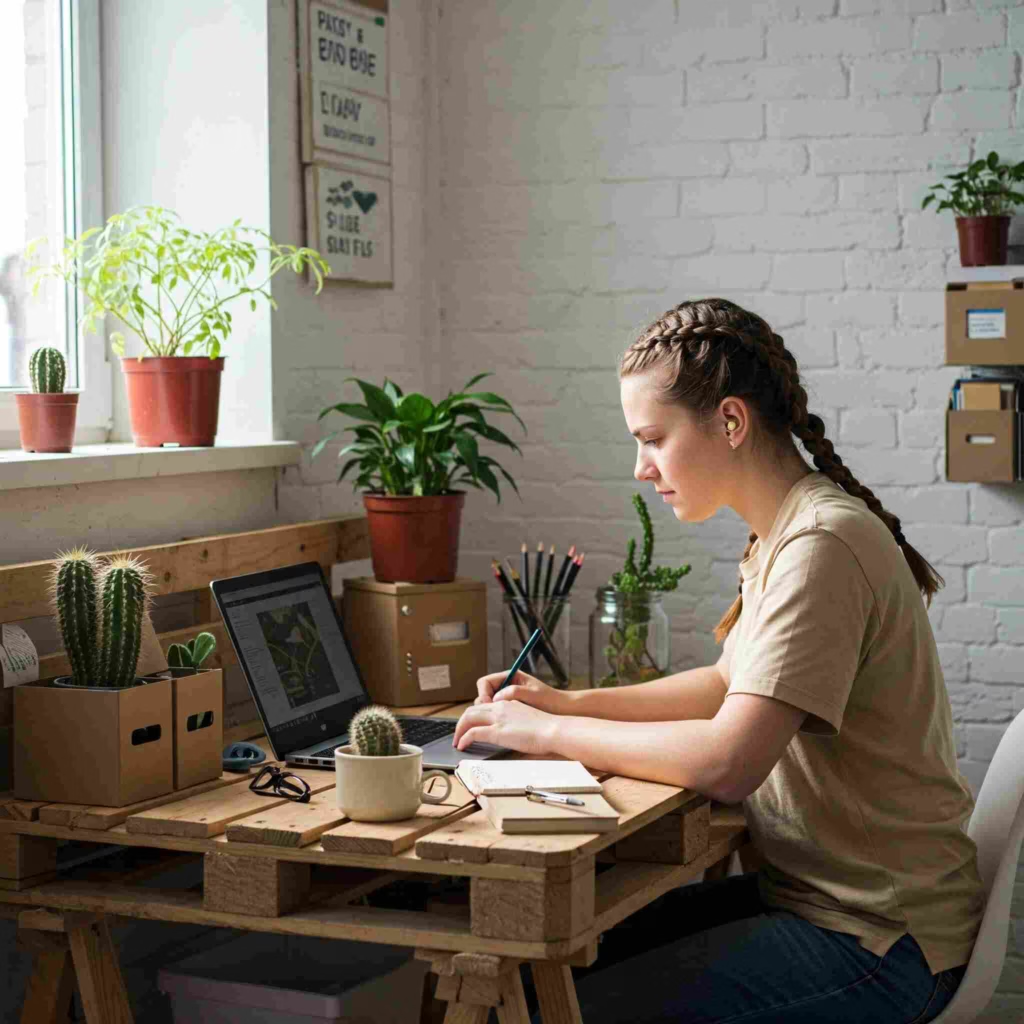
Creating a Greener Workspace for Productivity and the Planet
The rise of remote work has brought about a paradigm shift in how we approach our professional lives. While remote work offers numerous benefits, such as flexibility and reduced commuting, it also presents an opportunity to rethink our environmental impact. By embracing sustainable practices in our home offices and daily habits, we can create a greener workspace that benefits both our productivity and the planet.
Creating an Eco-Friendly Home Office
- Embrace Natural Light: Maximize natural light by positioning your workspace near a window. Natural light can boost your mood, improve focus, and reduce the need for artificial lighting, which can save energy.
- Invest in Energy-Efficient Equipment: Choose energy-efficient electronics, such as laptops, monitors, and printers, with the Energy Star label. These devices consume less energy, reducing your carbon footprint and utility bills.
- Go Green with Furnishings: Opt for sustainable furniture made from recycled or reclaimed materials. Consider bamboo, cork, or reclaimed wood options for a stylish and eco-friendly workspace.
- Embrace a Minimalist Approach: A clutter-free workspace can promote productivity and reduce the need for excessive storage. Embrace minimalism by decluttering your workspace regularly and donating or recycling unwanted items.
- Bring Nature Indoors: Incorporate plants into your home office. Plants can improve air quality, reduce stress, and create a more calming and productive environment. Choose low-maintenance plants that thrive in indoor conditions.
Sustainable Habits for Remote Workers
- Reduce Paper Consumption: Opt for digital alternatives whenever possible. Use online tools for note-taking, document sharing, and invoicing. If printing is necessary, use recycled paper and print double-sided.
- Conserve Energy: Unplug electronics when not in use to avoid phantom power consumption. Turn off lights and computers when leaving your workspace. Consider using a power strip to easily switch off multiple devices at once.
- Optimize Your Commute: If you need to commute for meetings or errands, choose eco-friendly transportation options. Walk, bike, carpool, or use public transportation whenever possible.
- Reduce Waste: Implement a recycling program in your home office. Use reusable water bottles, coffee mugs, and lunch containers. Compost food scraps to reduce waste and create nutrient-rich soil.
- Offset Your Carbon Footprint: Consider offsetting your carbon footprint by supporting carbon-neutral initiatives or investing in renewable energy sources.
- Educate Yourself and Others: Stay informed about sustainable practices and share your knowledge with others. Encourage colleagues and friends to adopt eco-friendly habits in their own workspaces.
By implementing these sustainable practices, remote workers can create a greener workspace that benefits both their productivity and the planet. Remember, every small step counts in the journey towards a more sustainable future.
A Practical Low-Waste Home-Office Plan
Remote work changes where energy is used; it does not make every workday impact-free. Focus on actions you can measure rather than assuming that a particular tool or internet setting automatically reduces emissions.
- Measure a baseline. Review a few months of household energy use and note seasonal heating or cooling before attributing changes to remote work.
- Enable power management. Let computers and displays enter sleep mode during inactivity and turn off equipment that does not need to remain available.
- Extend useful life. Repair or upgrade suitable equipment before replacing it, while maintaining security support and the performance your work requires.
- Buy for the actual workload. When replacement is necessary, compare efficient certified products and avoid paying for hardware that will remain unused.
- Retire electronics safely. Remove personal data and use an appropriate donation or electronics-recycling program; batteries may require separate handling.
ENERGY STAR’s home-based business guidance recommends power-management features and efficient office equipment. The U.S. EPA electronics guide recommends considering an upgrade before replacement, deleting personal information and checking local options for safe donation or recycling. Local energy sources and recycling rules differ, so adapt the checklist to your region.
Discuss this guide
Ask a useful question, share relevant experience, or add a practical correction. Helpful contributions publish immediately after automated safety checks.
Start a thoughtful discussion
Be the first member to add a question or practical insight about this topic.
Join the discussion
Sign in with your verified WorkinVirtual account to contribute. Automated safety checks keep posting quick and protect the community.
Sign in to contribute