

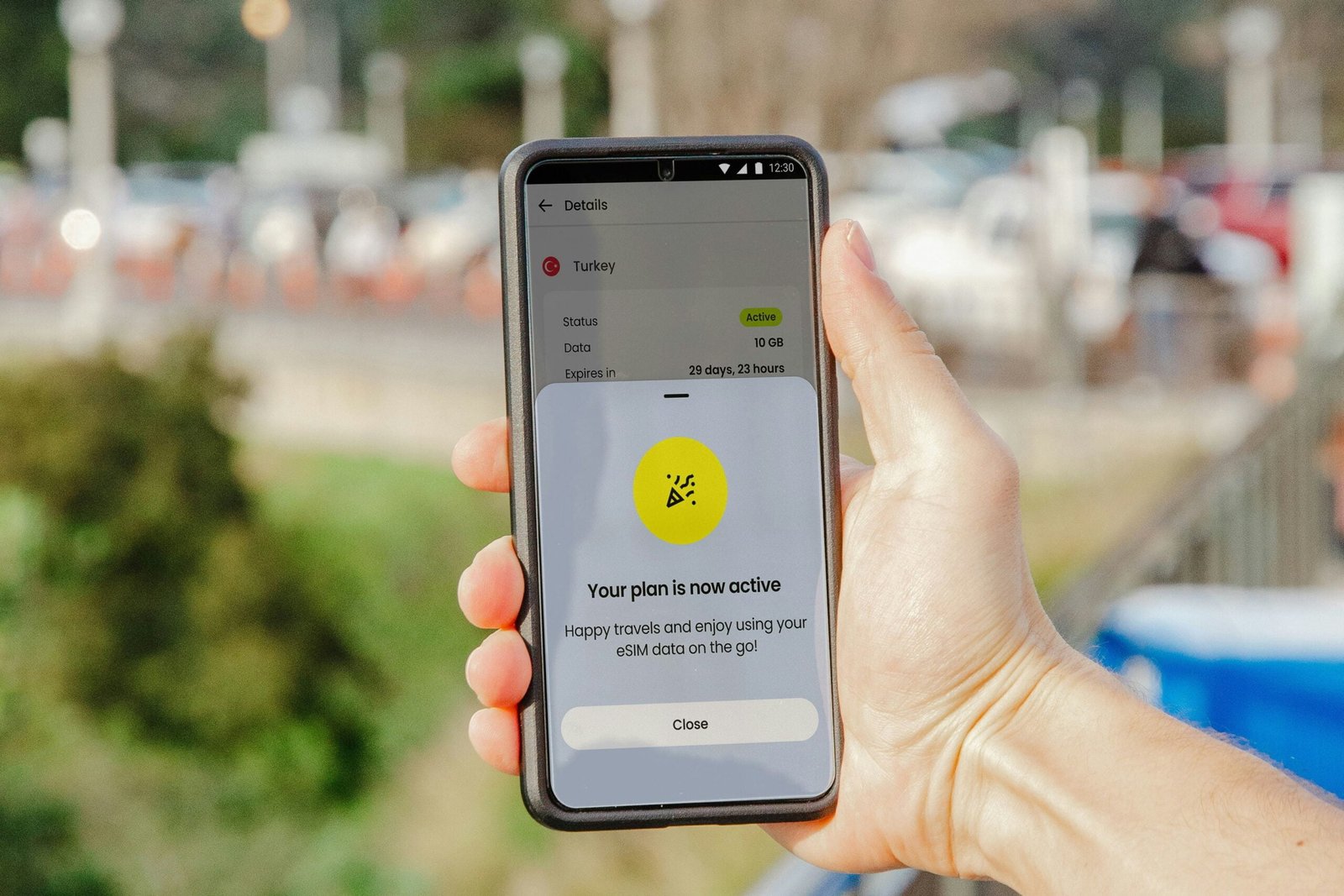
A digital nomad plan is viable only when immigration permission, employer approval, tax and payroll consequences, insurance, data security, connectivity and time-zone work all align. Tourist entry does not automatically authorize work, and a digital-nomad visa name does not resolve every tax, labor or employer obligation. Choose a destination and dates, then build a written country-work matrix using official sources and qualified advice. Keep the first move reversible, protect company data and avoid a travel schedule that makes reliable work or recovery impossible.
What to verify
- Confirm entry and work permission for the exact nationality, activity, employer relationship and dates with destination authorities.
- Get written employer approval for country, dates, device, data, working hours and emergency contact.
- Obtain qualified advice on tax residence, permanent establishment, payroll, social contributions and insurance.
- Check travel advisories, healthcare access, prescription rules, housing, connectivity and evacuation options.
- Assess client contracts, data residency, export controls, licensing and public-network restrictions.
Create a claim ledger with the claim, direct URL, source owner, publication/update date, access date, scope or jurisdiction, confidence and unresolved question. Recheck volatile facts on release day. When the evidence does not establish a condition, state “not established” rather than filling the gap.
Evidence or implementation framework
- Permission: passport, visa or permit basis, work scope, dates, source and adviser.
- Employment: employing entity, approved country, payroll, benefits, equipment and security.
- Tax: potential residences, filing duties, withholding, social contributions and unresolved questions.
- Operations: primary and backup internet, power, workspace, overlap, travel days and recovery.
- Risk: health, weather, political, financial, housing, privacy and exit trigger.
For every example use context, responsibility, method or control, observable result, limitation and verifier. Separate fact, scenario and inference. Remove confidential employer, client, candidate, health, security or financial data. A smaller defensible example is more useful than a large unverified claim.
Practical application or implementation steps
- Choose one destination and a short pilot rather than an indefinite multi-country itinerary.
- Create the country-work matrix and link every claim to a direct authority.
- Seek employer, immigration, tax and insurance review before booking nonrefundable travel.
- Test secure connectivity, multi-factor access and a device-loss response.
- Plan working hours, no-meeting travel days and a backup workspace.
- Keep emergency money, documents and a departure route independent of work accounts.
- Recheck permissions before every border crossing or material work change.
A useful first-hour output is one completed evidence matrix or decision table. Include a stop condition: an unverified source, unclear scope, inaccessible mandatory step, sensitive-data exposure or a conclusion that reverses under reasonable assumptions.
Safety, accessibility and trust
This is general information, not immigration, tax, employment, health or security advice. Never conceal location from an employer or authority, work on a visitor status without confirmation, or expose employer data on uncontrolled systems. Use independently reached official domains. Never pay an individual for recruitment, equipment, training, identity checks or account recovery; never share passwords, one-time codes or unrestricted identity files. Provide keyboard-accessible controls, clear headings, descriptive links and text alternatives. Material medical, legal, tax, employment, privacy or security decisions require accountable qualified review.
Engagement checklist
The reader should leave able to state the current answer in one sentence, identify three relevant factors and two unknowns, save at least four direct sources with dates, complete one evidence or decision row, name a safety or methodology stop condition and choose one next step plus review date. Measure purposeful checklist completion rather than raw scrolling.
Primary and official sources
- U.S. State Department — Business travel and work abroad: https://travel.state.gov/en/international-travel/planning/safety-tips/business.html
- IRS — Publication 54: https://www.irs.gov/publications/p54
- CISA/NSA — Telework best practices: https://www.cisa.gov/sites/default/files/publications/Telework_Guide_with_NSA_and_DHS_CISA.pdf
- U.S. State Department — Country information: https://travel.state.gov/content/travel/en/international-travel/International-Travel-Country-Information-Pages.html
Access date: 2026-08-09. These sources establish only the scoped facts described in this package. They do not collectively prove a live vacancy, individual eligibility, guaranteed outcome, universal causal effect or current compensation.
FAQ
Can I work remotely on a tourist visa?
Do not assume so. The destination’s authorities must establish what your nationality and activity permit.
Does a nomad visa eliminate tax?
No. Immigration permission and tax residence are different analyses.
Should I tell my employer?
Yes. Location can affect payroll, security, client contracts, insurance and legal obligations.
What is a sensible first trip?
A short, reversible pilot after permission and employer approval, with reliable work and exit plans.
Choose your next step
Keep your momentum with practical tools and verified remote-work opportunities.
Related guides for your next step
A fresh, topic-aware mix from the WorkinVirtual library. Suggestions rotate regularly.






Discuss this guide
Ask a useful question, share relevant experience, or add a practical correction. Helpful contributions publish immediately after automated safety checks.
Start a thoughtful discussion
Be the first member to add a question or practical insight about this topic.
Join the discussion
Sign in with your verified WorkinVirtual account to contribute. Automated safety checks keep posting quick and protect the community.
Sign in to contribute